In Part 1, I introduced the idea of responsible leadership thorough the concept of Stewardship and the importance of foresight – this part dives into one of the most practical expressions of that responsibility: succession planning. In the insurance industry, we often speak about protecting clients from uncertainty, yet within our own businesses, uncertainty quietly grows when we fail to plan who will take the reins next.
Succession planning is not simply about finding the next person in line. It’s about transferring purpose, knowledge, and cultivating an environment of commitment. Every business has its systems and structures, but what truly defines an organization is its collective understanding of why it exists and who it serves.
When a leader leaves — through retirement, resignation, or unforeseen events — it’s not only technical expertise that departs; it’s institutional memory, relationships, and sometimes even morale. A well-thought-out succession plan protects these intangible assets. It ensures that continuity is not dependent on personalities but anchored in shared purpose.
Effective leaders plan beyond themselves. They build capacity in others long before they’re required to hand over responsibility. This principle holds true whether you’re the CEO of an insurer, a UMA principal, or a broker owner preparing your successor.
A preparation-based approach to succession involves:
- Recognizing your responsibility — to those who follow and those you
- Identifying potential — not only technical talent but character and alignment with the organization’s values.
- Investing in growth — mentoring, coaching, and exposing future leaders to decision-
- Empowering with trust — allowing others to make decisions, learn, and occasionally fail safely.
- Handing over with grace — when the time comes, stepping back so others can step
Every insurance business, regardless of size, should have a documented, living succession framework. At its simplest, it should answer four questions:
- Who and What are our critical roles?
These include Key Individuals, Underwriting Heads, Compliance Officers, and relationship managers who hold client or regulatory responsibility.
- Who is ready and who is being prepared to step in?
Identify immediate deputies and emerging talent. Not everyone will be ready now, but everyone should be developing.
- What knowledge or authority needs to be transferred?
This includes product knowledge, client relationships, system access, and strategic understanding.
- How do we support and evaluate successors?
A plan is only effective if it’s practiced. Use scenario testing, job rotations, or mentorship to strengthen readiness.
Regulators, like the Prudential Authority and FSCA, increasingly emphasize leadership continuity within fit-and-proper frameworks. But beyond compliance, the true driver should be commitment — the belief that preparation today ensures the organisation thrives tomorrow.
In many South African insurance organizations, leadership remains concentrated in founding teams or family ownership. That history is both a strength and a risk. It’s a strength because it carries legacy; it’s a risk because it can delay generational renewal.
Mentorship bridges that gap. When experienced leaders intentionally invest in emerging professionals by guiding, challenging, and exposing them to responsibility, they extend their influence far beyond their own tenure. This is how culture and competence are multiplied.
Empowerment also means allowing emerging leaders to experiment within controlled boundaries. It’s in those smaller decisions that confidence and trust are built. The best time to test a successor’s readiness is not during a crisis, but while there is still time to learn.
Why do so many organizations postpone succession?
Often it’s emotional, the difficulty of imagining the business without oneself. Sometimes it’s practical, a belief that no one else is “ready yet.” And occasionally, it’s cultural, where control is mistaken for care.
Preparing others does not diminish your contribution; it multiplies it. The willingness to release control when the time is right is one of the highest expressions of leadership maturity.
Businesses that commit to structured succession planning see measurable outcomes:
- Continuity of trust — clients feel secure knowing their relationship will
- Operational stability — leadership transitions happen smoothly, without service disruption.
- Cultural reinforcement — shared values persist through
- Talent retention — emerging leaders see a future within the
- Regulatory readiness — compliance is strengthened by
Succession planning, therefore, is not an expense; it’s an investment – one that compounds in loyalty, resilience, and legacy.
In the next part of this series, I’ll focus on business continuity — the structural side of leadership preparedness. We’ll explore how systems, governance, and operational readiness ensure that organisations remain stable when disruptions occur.
Succession planning protects the who. Business continuity protects the how. Together, they form the foundation for an organisation that thrives beyond the tenure of any one leader.

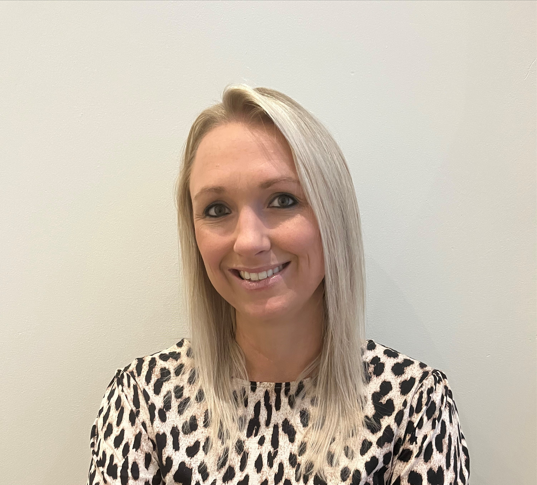
Claude Soobramoney – Broker Distribution – Auto & General Insurance