For nearly four decades, we’ve worked in the South African glass industry and have seen it evolve significantly, from how glass is sourced and fitted to the technology, systems and compliance requirements behind every replacement.
At My Glass, technically we’ve built our business around three things we believe cannot be compromised: quality, compliance and accountability. Today, our network includes more than 80 independently owned branches and over 270 mobile service teams across South Africa, supported by the systems, training and infrastructure needed to deliver consistent service.
As the industry evolves, we believe there is an important conversation to be had around the growing use of what is often referred to as “glass broking.”
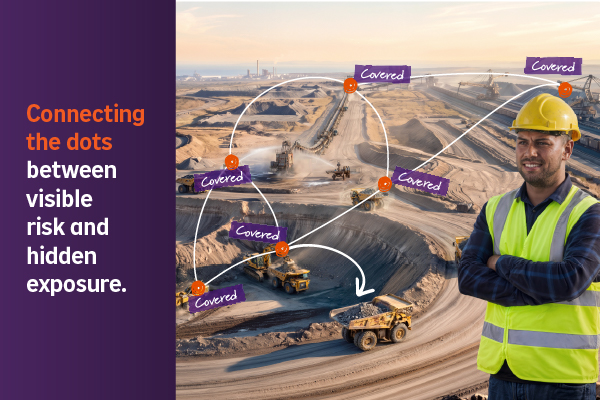
We understand why this model has become attractive. Insurers and other stakeholders are under constant pressure to reduce costs and improve Average Cost of Claims (ACOC). But when the focus on price starts removing important layers of quality control, governance and accountability, we need to ask whether we’re really reducing costs or simply moving the risk elsewhere, or is it merely kicking the can down the road.
Cost Reduction Versus Risk Management
A windscreen is not simply another commodity. Automotive and building glass are in most instances safety-critical components, where product quality, installation methods, materials and processes can have serious consequences beyond the initial replacement.
Our concern isn’t entrepreneurship or the involvement of smaller businesses. We strongly believe in the role SMMEs and independent operators play in our industry. The question is whether the operating model provides insurance companies with the support, training, systems, insurance and governance required to deliver work safely and consistently.
There is a place for cost efficiency, but it should never come at the expense of proper risk management.
Why Compliance Matters
Windscreen replacement has become increasingly technical. Modern vehicles rely on sophisticated safety systems, meaning replacement involves far more than simply removing and fitting glass. Glass quality, adhesives, bonding materials, structural integrity and, where applicable, ADAS requirements all need to be considered.
Without sufficient oversight, risks can include inferior or poorly fitting glass, incorrect bonding materials, inadequate workmanship or liability insurance, non-compliance with applicable SABS, SANS or AAAMSA standards, insufficient training, weak or no fraud controls and poor management of replacement components and customer information.
Individually, these may seem manageable. At scale, they can create significant exposure for insurers, businesses and ultimately customers.
The Pressure on SMMEs
Smaller operators are often working under significant financial pressure. When fitting fees are driven down to unsustainable levels, it becomes increasingly difficult for an independent business to maintain proper training, equipment, insurance, systems and compliance while remaining profitable.
We fully support SMME participation, entrepreneurship and transformation within our industry. However, the commercial model must allow these businesses to operate sustainably and responsibly.
If the economics don’t support compliance, we shouldn’t be surprised when corners are eventually cut.
The Growing Importance of Governance
As insurers modernise their claims environments, expectations around governance, fraud prevention, customer experience, data protection and supplier accountability continue to increase.
An insurer cannot realistically manage hundreds of independent service providers directly across the country. There needs to be a structure that provides transparency, visibility, accountability and consistency across the country.
A national network shouldn’t simply mean having people in different parts of the country. It should mean having the systems, processes, training, technology and accountability to ensure the same standard is delivered wherever the customer is.
Looking Beyond the Cheapest Option
We aren’t raising this conversation simply to defend one business model or criticise another. We believe the industry always needs to look at the bigger picture. After 38 years we do know our industry, products and the associated risks.
Cost management is important, but so is considering the full cost of poor workmanship, non-compliance, inferior products and inadequate governance. These costs aren’t always visible on the original invoice, they only emerge after an incident, dispute or reputational damage.
We have seen cases where the invoice excludes the part number fitted, or the part number is substituted with a more expensive brand. Without adequate and proper audit controls, these “hacks” will go unnoticed.
Another common hack is using left over polyurethane to bond the mouldings back into position rather than using the correct clips. This translates to the cost of the next replacement being pushing up significantly, unnecessarily. This practice may also cause the new windscreen to crack again, because the movement / flexibility has been restricted.
Perhaps the question shouldn’t simply be:
“Who can replace this glass for the lowest cost?”
But rather:
“Who can manage the entire process responsibly, compliantly and sustainably while delivering the right outcome for the customer?”
For us, that is the conversation worth having.
Because when we’re dealing with something as important as vehicle safety, the cheapest option isn’t always the lowest-risk option.