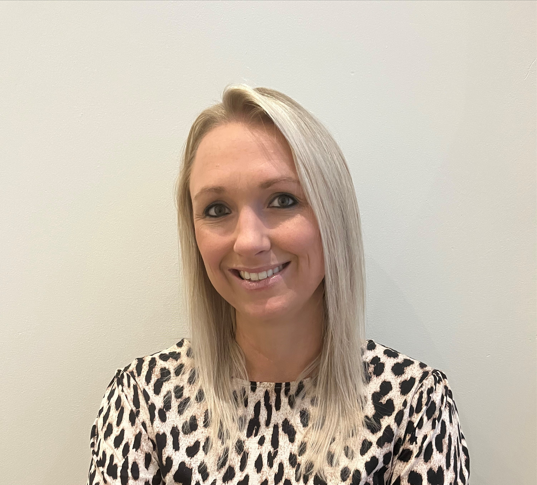
Over time, I’ve observed a recurring gap across our insurance ecosystem, particularly within broker distribution and intermediary networks however this extends far beyond. Many organizations operate with excellence in client service and technical delivery, yet few have deeply embedded structures for leadership transition or continuity planning. It’s this gap, and the impact it has on long-term stability and legacy, that inspired me to explore this topic further. Through research, industry dialogue, and first-hand experience, I’ve seen how succession planning and business continuity are not just governance exercises, but vital components of sustainable growth. This series is my attempt to unpack these dynamics and start a meaningful conversation about the future resilience of our industry.
In a fast-changing financial landscape, “stewardship” is not a word you often hear in boardrooms or strategy sessions. Yet, for me, it’s the perfect word to frame the kind of leadership the South African insurance industry needs right now. It speaks to something deeper than management. Stewardship carries with it the sense of care, accountability, and foresight with an understanding that what we hold in our hands today was entrusted to us for a season, to protect, grow, and eventually pass on in better condition than we found it.
In insurance, stewardship sits at the heart of everything we do – protecting lives, livelihoods, and legacies. But it also applies inwardly to our own organisations. Whether we lead a brokerage, a UMA, or an underwriting team, each of us is called to be a good steward of the people, systems, and clients under our care. That is why succession and continuity are not simply strategic projects; they are reflections of our integrity and our commitment to those we serve.
The changing face of responsibility
Our industry has undergone enormous transformation over the past decade. Regulation has become more sophisticated. Distribution has evolved. Clients are better informed, and technology has redefined expectations. Amid all of this, organizations are realising that sustainability is not guaranteed by profit alone.
What ensures an organization’s future is the depth of its leadership bench, the strength of its governance, and the ability to carry its promise forward, even when “suddenly happens”. Business continuity and succession planning are two sides of that same coin.
One ensures stability when the storm comes and the other ensures vision beyond the current generation of leadership.
Yet, too often, these principles are treated as compliance tick-boxes. Continuity plans gather dust on shared drives, and succession discussions are postponed until “after renewal season.” Stewardship challenges that mindset. It asks leaders to consider the moral and professional obligation to prepare others, protect knowledge, and sustain purpose, not just systems.
Stewardship as leadership
Stewardship redefines leadership. It reminds us that our positions are temporary, but the institutions and promises we serve should endure. It encourages humility and the willingness to share responsibility, mentor others, and think beyond one’s own tenure.
In practice, this might mean empowering deputies to take ownership of projects, documenting critical processes, or being transparent about long-term plans. It might also mean recognising that the organisation’s greatest assets are not policies or technology, but people – their wisdom, relationships, and collective trust.
When stewardship becomes part of leadership culture, continuity naturally follows. Teams become less dependent on single individuals and more united around shared purpose. Success then becomes repeatable, and legacy becomes intentional.
A South African reality check
In South Africa’s insurance market, where many organizations remain founder-led or reliant on key individuals, the absence of continuity and succession planning can be the single greatest risk. Without it, decades of client trust can be lost overnight.
We’ve seen this in smaller brokerages that collapse when a principal retires without a plan, and in UMAs that struggle when key underwriting talent leaves. Even among larger insurers, leadership transitions can create uncertainty if not carefully managed.
Stewardship asks: What will happen to those we serve when we’re no longer here to serve them? That question isn’t meant to cause fear; it’s meant to inspire responsibility.
Shifting from Compliance to Commitment
True stewardship is driven by commitment, not compliance. It is the decision to take ownership for the future, even when no one requires it. It’s about leaving behind not just a profitable business, but a trustworthy one.
To do that, leaders must view succession and continuity not as annual audit topics, but as leadership disciplines woven into everyday operations. From the boardroom to the branch, each person should understand their role in protecting what the organisation stands for.
That shift, from checking a box to carrying a vision, is what separates sustainable organizations from fragile ones.
Looking ahead
Over the coming months we will explore key points on succession planning and business continuity, I’ll be unpacking this idea of stewardship in greater depth, exploring what it truly means for leadership and the future of our industry.
In Part 2, I’ll dive into succession planning: how to identify potential successors, transfer knowledge, and prepare others to lead with purpose. It’s one of the most overlooked yet transformative disciplines in any organisation.
Stewardship starts with care, but it matures through preparation and preparation begins with planning for who will carry the mission forward.

Claude Soobramoney – Broker Distribution – Auto & General Insurance